
Thrift markets are something I love to explore! There’s always something new to add to your collection, and for me, it’s all about collecting old cameras. Their out-of-time appearance fascinates me, and I truly can’t get enough of them. Let me share with you a really lucky find, an old Kodak camera that I tested successfully a few weeks ago!
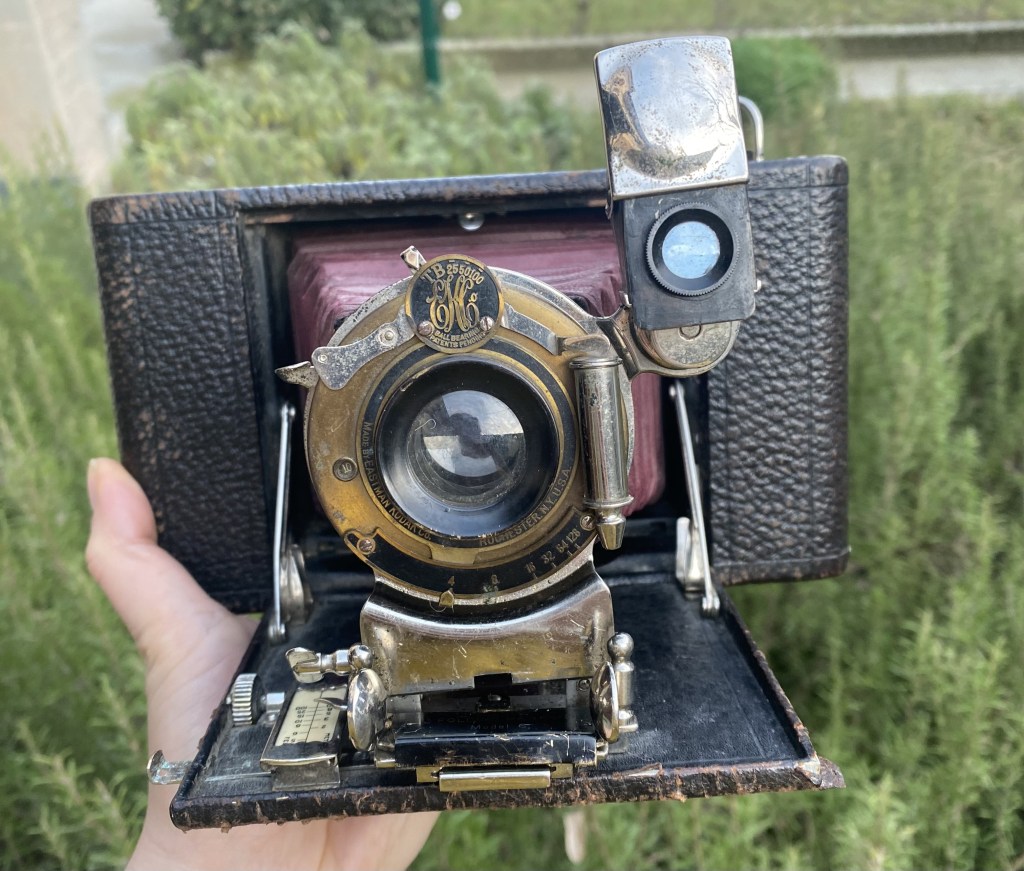
Somehow, I got it in my head that I had to try a camera from the beginning of the XX century, I was actually pretty obsessed in finding one and when I saw this at my local market, I couldn’t believe my luck! Of course, I bought it, but upon searching for more information about the model online, I discovered that there was virtually no information available.
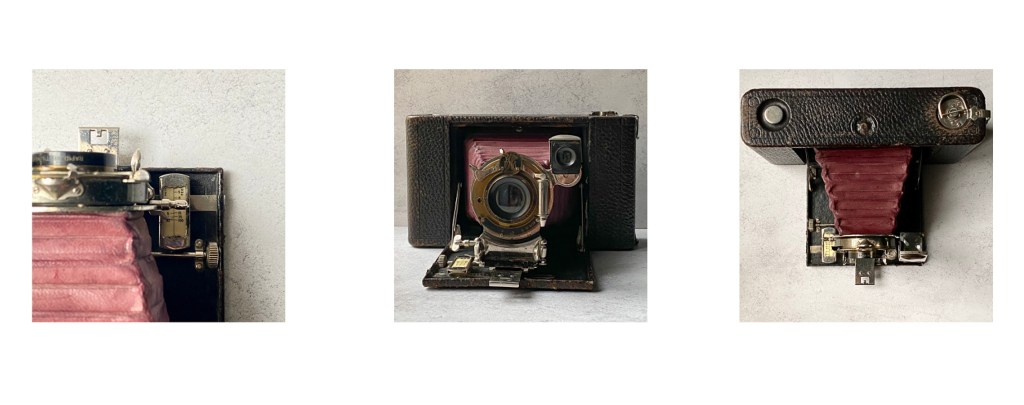
A plate inside the camera has the name of the model written on it “N° 3 Folding Hawk-eye Model 6” but the only thing I was able to find out was that the model of the film was 118 (not in production anymore since the ‘60s). Also, the plate covering the back has a list of patents engraved, dating from 1890 to 1901, so I can assume that the camera itself dates back to 1901.
With this little information I decided to give it a try anyway and find out I could buy a 120 to 118 mm adapter online (I bought it here and worked perfectly!).
Getting a hundred year old looking photo
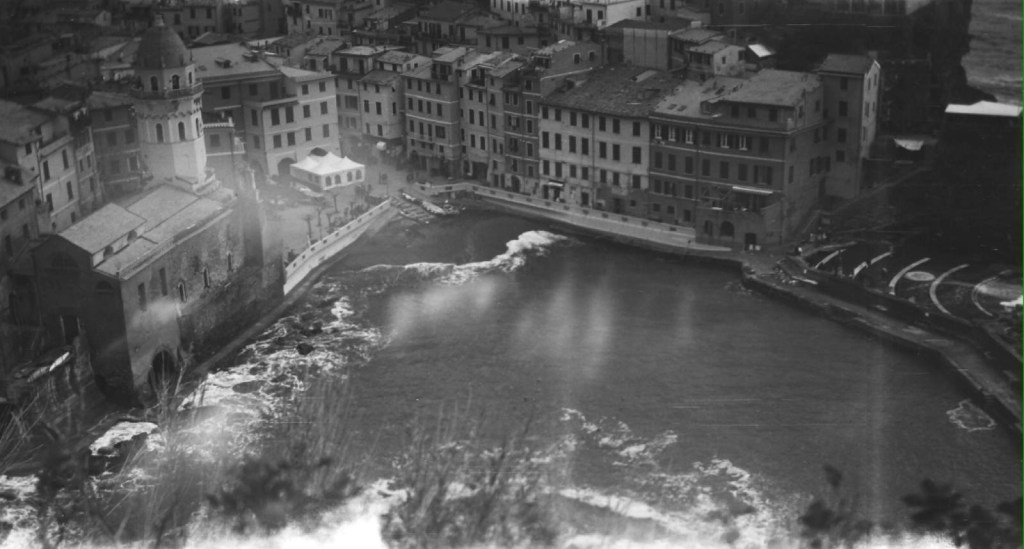
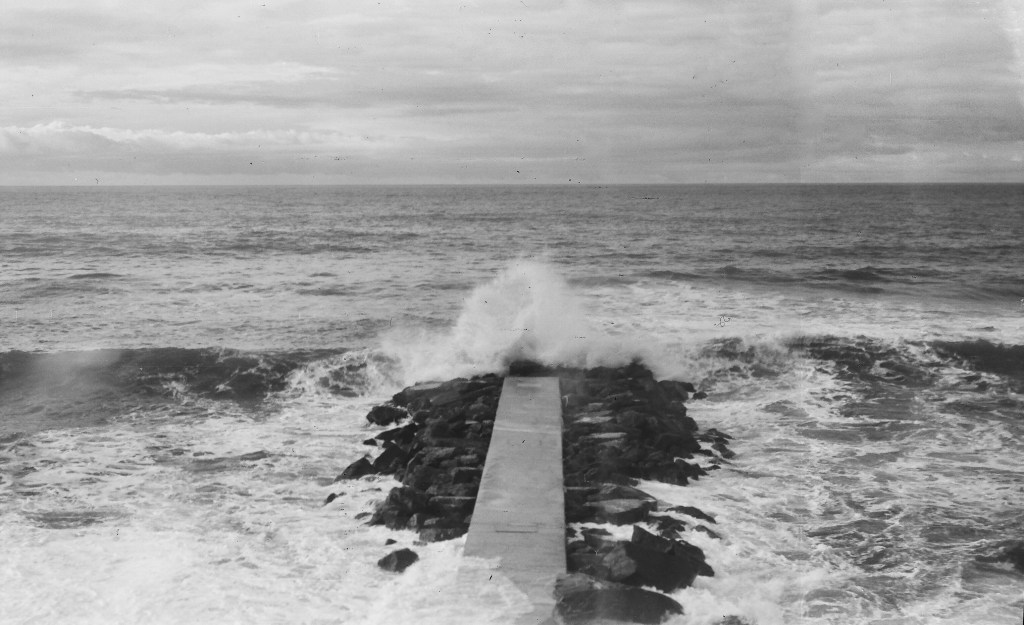
To be honest, I had low expectations for the test, but I was really amazed by the results:
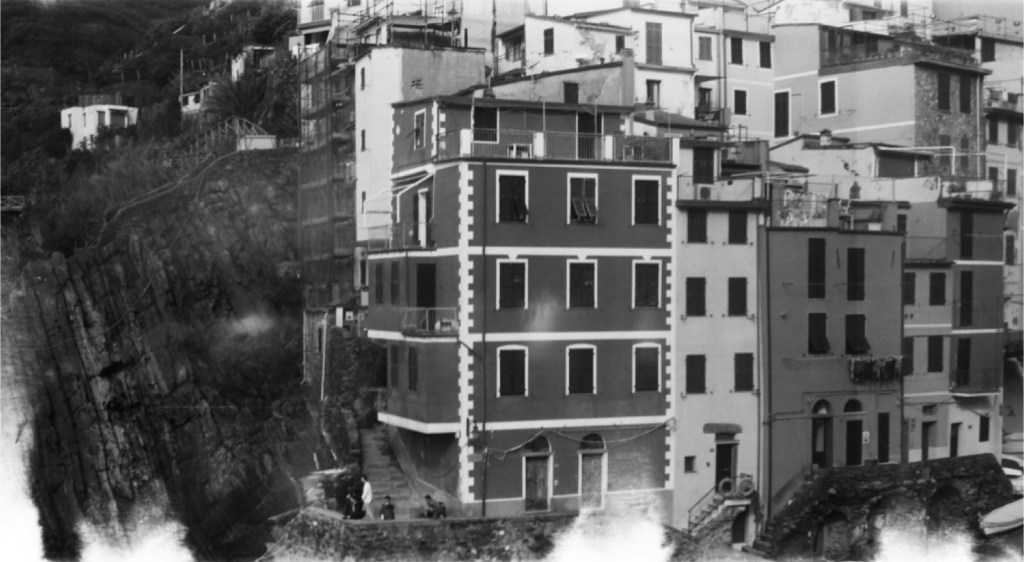
The quality of the lens is incredible and the camera itself was surprisingly easy to use, despite of course being an analogic camera with absolutely no technology to help you use it. The only real problem is a little light leaking at the top and bottom of the photos, this is probably due to the 120 film being smaller than the 118 for which the camera was designed. I took all the pictures with an Ilford Delta 400 film which, in this camera, allowed me to take 6 photos.
Kodak N° 3 Folding Hawk-eye Model 6: how does it work?
The camera is quite compact and easy to carry around, it is a folding, that means it has a lens attached to a lens-board connected to the body of the camera by a light-tight folding bellows.
You can access the lens and shutter by clicking a button that open the front hatch. When fully opened the hatch forms what is called the Lens Bed, you then unlock the lens and pulled it forward locating it upon a rail built into the Lens Bed. You pulled it forward until it locates into a slot which is the point at which the lens is focussed for a given distance or infinity.
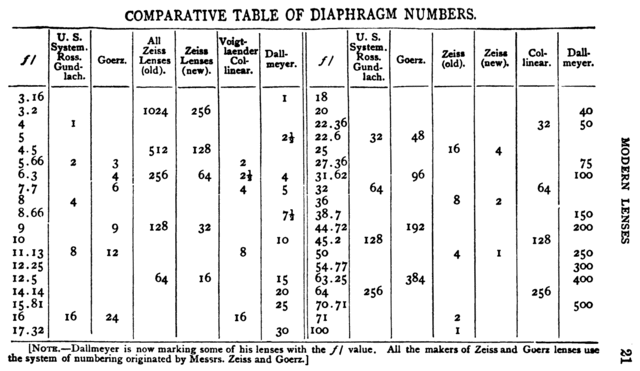
You can see the overall scene from the viewfinder, but it is not 100% accurate, it does give you an overall view of the scene and helps with composition. The camera has only 5 shutter speed, T, B, 25, 50, 100 and has a Bausch & Lomb optical lens. The focal ratio is not marked in f/stops but with the old system used in the U.S.A. before 1902 that measures in multiples from 4 to 128 (converting to around f.8 to f.45).
The focal length wasn’t written anywhere on the camera so I just tried to take some pictures and see what it came out, I guess this could be around an equivalent of 80 mm (medium format cameras have a different aspect ratio from modern digital ones, or even from the classic 35 mm film cameras, that means they will have a crop factor to consider when taking photos).
This camera quickly became one of my favourites, not only because it’s really stylish, but also because it is quite compact while having a great optical quality. I really can’t wait to try it again, and also, I am keeping an eye open to see if I can find an original 118 mm film in some market sooner or later, wish me luck!
Leggi l’articolo in Italiano QUI.

 Valentina Parente