
Articolo in italiano QUI
Photography is an extraordinary and very powerful medium; it can document, tell, and sometimes even shape reality. In fact, it does not necessarily have to tell what we see as accurately as possible, but it can also be used to create something new, projections of our mind and drawings of light.
The ICM (Intentional Camera Movement) technique is used to create soft, delicate images, abstractions that resemble paintings rather than photographs, using long exposures and a camera movement.
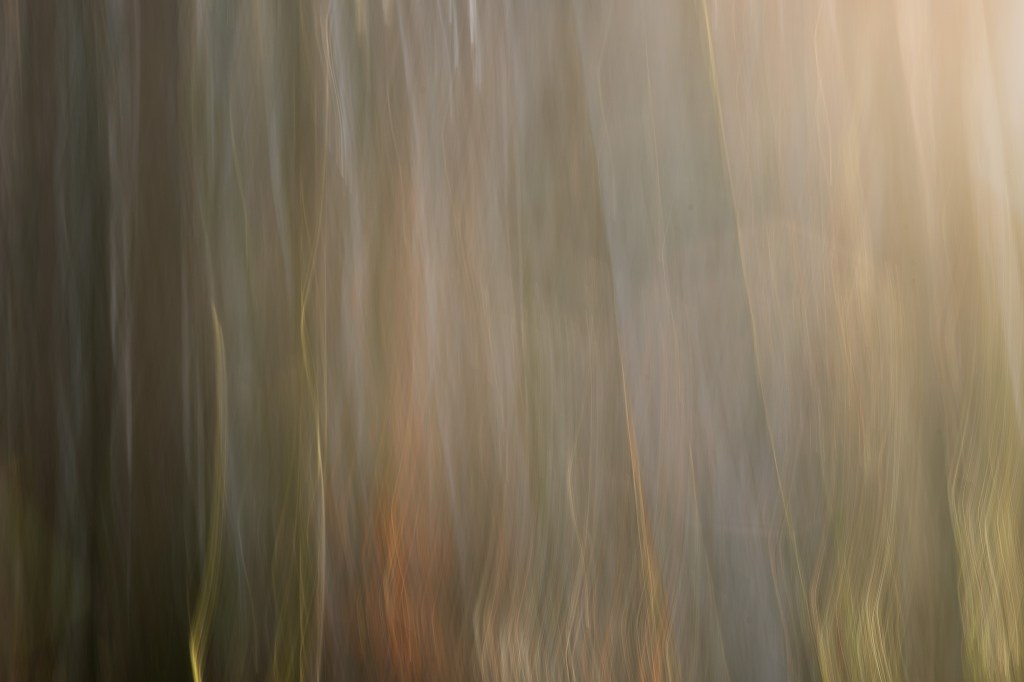
The beauty of this technique lies precisely in the stimulation of creativity that leads to seeing beyond the landscape, focusing on detail and training a study of composition based on colors and geometries rather than a wide-angle vision.
ICM: Poetry in Motion
To shoot with this technique, photographic filters are essential, in particular ND, which are neutral density filters that can absorb light without altering the tones, a bit as if they were sunglasses for the camera. Using them can slow down the shutter speed, while maintaining the correct exposure. They therefore allow the shooting time to be extended to a few seconds, since if the exposure is too fast the desired effect will not be achieved. Slowly moving the handheld camera with a slow shutter speed will blur the image.
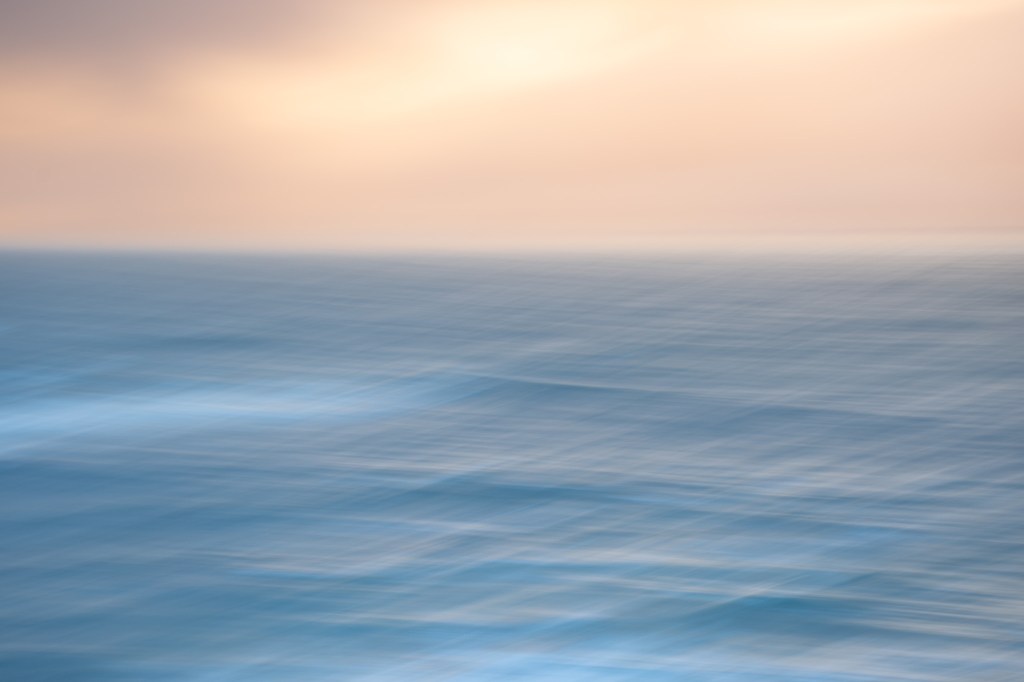
Although it may seem simple, this technique requires practice but above all intentionality while shooting, it is not enough to shake the camera but, as with all photos, there are rules. A good starting point is to look for contrasts to include in the photo, such as colors or brightness, to avoid having a flat result. We should also look for scenes that are not excessively crowded (looking for an interesting composition is fundamental in any photographic technique). If there are too many elements in the scene, in fact, the camera movement risks mixing everything together, resulting in a tangled scene that is difficult for an external observer to understand.
Finally, to get good results, it’s important to try different movements, not give up immediately. Every little movement can change the final result of the photo, and therefore each photo will always look different, which is why it can take numerous attempts before you can get an interesting image.
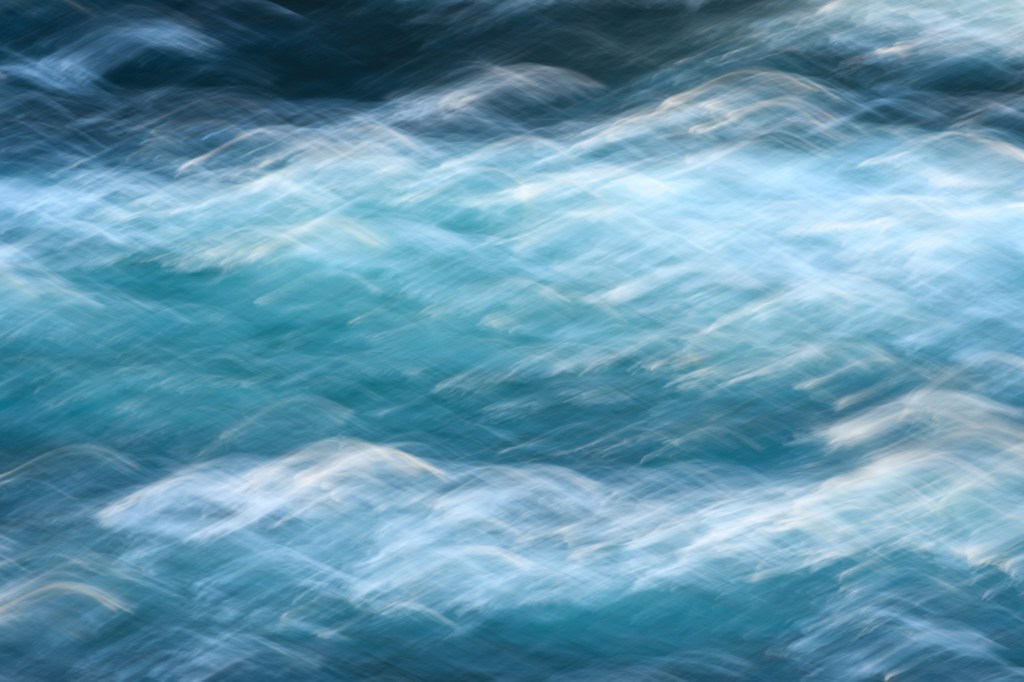
As for shooting times, it’s generally best to stay between half a second and 2 seconds at most, otherwise you risk losing detail within the scene. The aperture is rather irrelevant so simply choose the one that allows you to get the desired shutter speed, as for the ISOs generally leave them at the lowest possible value. In general, a longer focal length is better to allow you to capture details better, but it always depends on which subject you choose to shoot.
The technique of movements
The technique itself is quite simple and immediate; what takes the most time is to perfect the type of movement in relation to what you want to photograph. If the aim, for example, is to achieve a very sharp and almost geometric effect, you can leave the camera mounted on the tripod and slide it from side to side (or from top to bottom). This technique works well in open landscapes where there is a clear distinction in the multiple shades of color, such as a beach where there are clear differences in sand, sea, and sky.
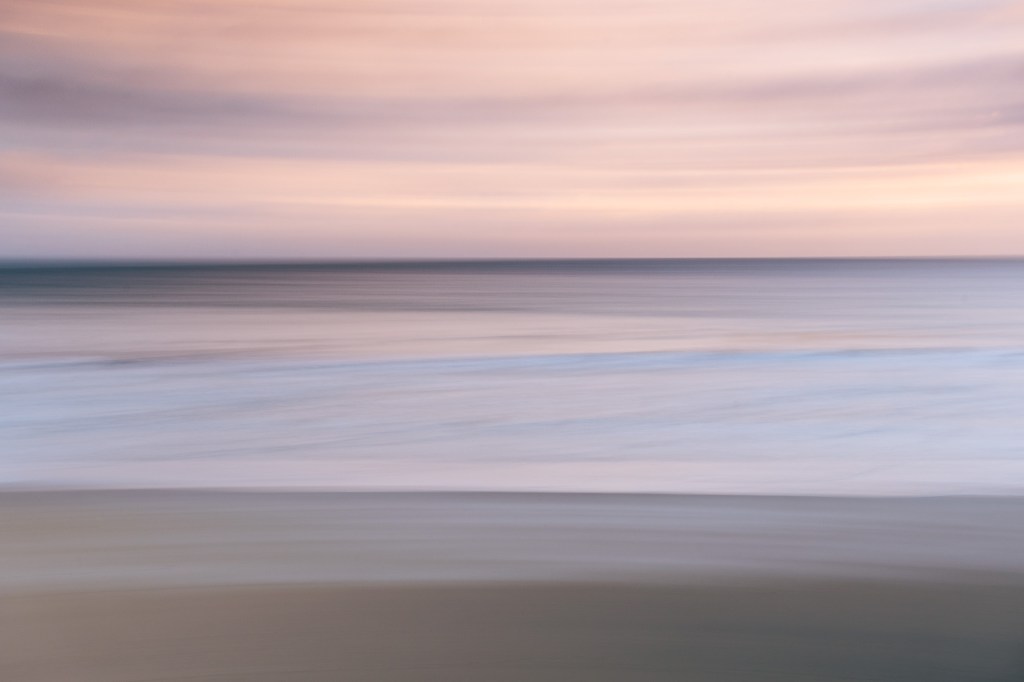
To achieve a livelier effect, however, you can resort to micromovements while holding the camera in your hand, effectively performing any type of movement you want.
As with any photo, the subject is important; in this case, look for contrasts (in color, light and shadow areas, textures) that can guide the eye through the scene. Remember to always try different types of movement until you find the one that best fits the scene you decided to tell.
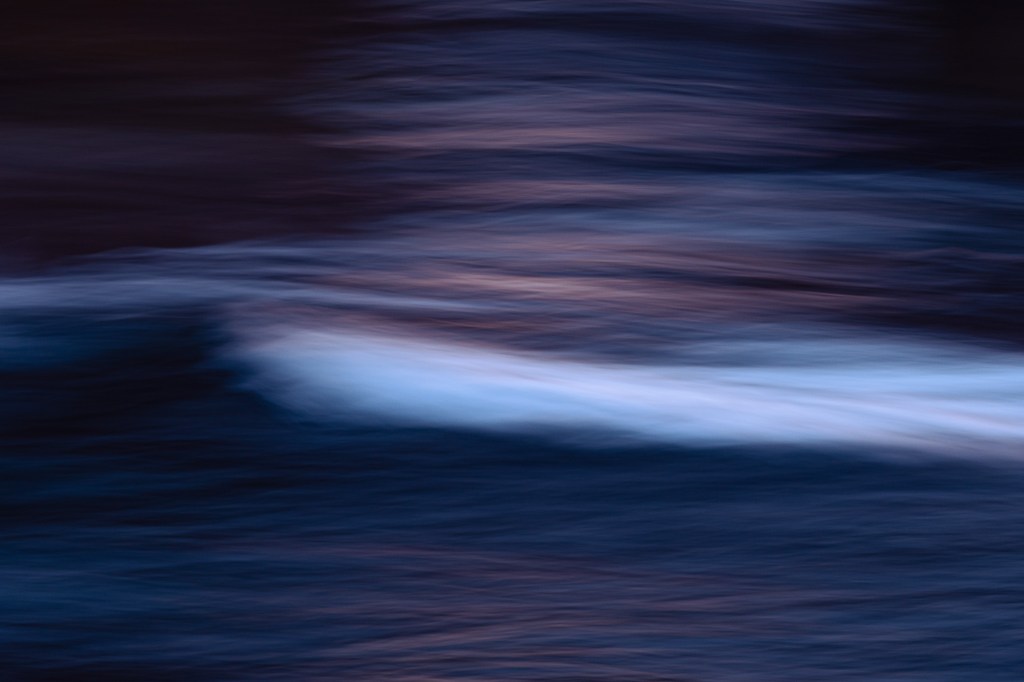
As for the type of scenes to photograph with this technique, it’s all about the creativity and eye of the photographer taking the shot. Common and easily available subjects to begin refining the technique are trees, but it’s a technique that can be used on almost anything.
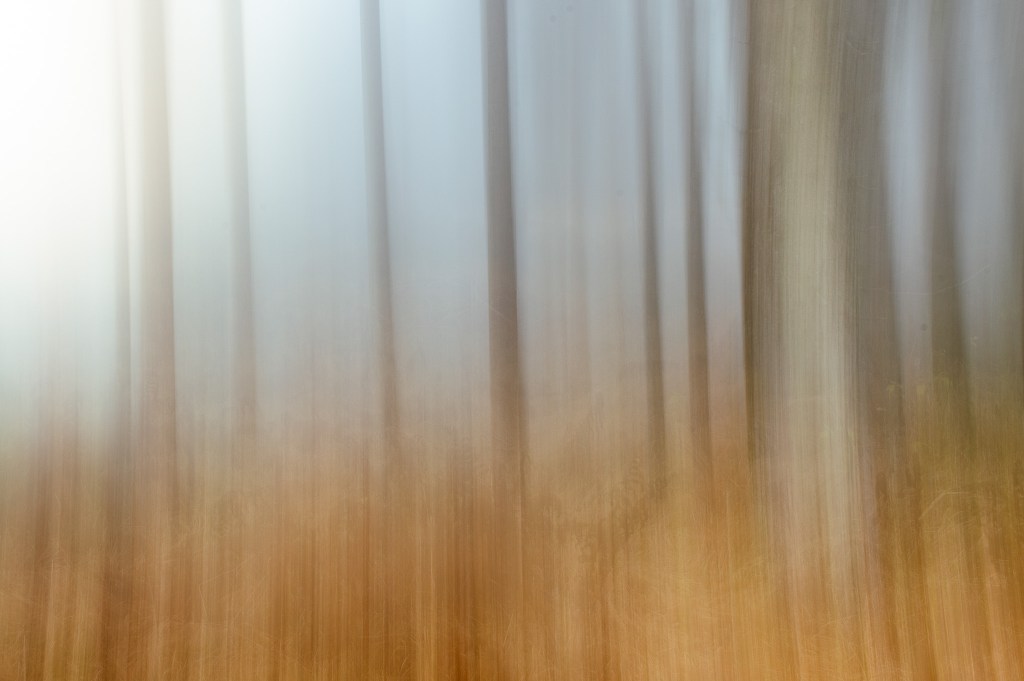
Telling the poetry of the waves
In my photographic practice, the sea is almost always present, it is an environment that has always given me a sense of mental calm, especially when accompanied by all those elements that make it at the same time wild like wind and high cliffs.
It was precisely from this sense of calm that I came up with the idea for a project to showcase the wild beauty that distinguishes it: every reflection of light, every moment of day, and the movement of water make the photos different from each other, revealing the many facets that distinguish this ecosystem.
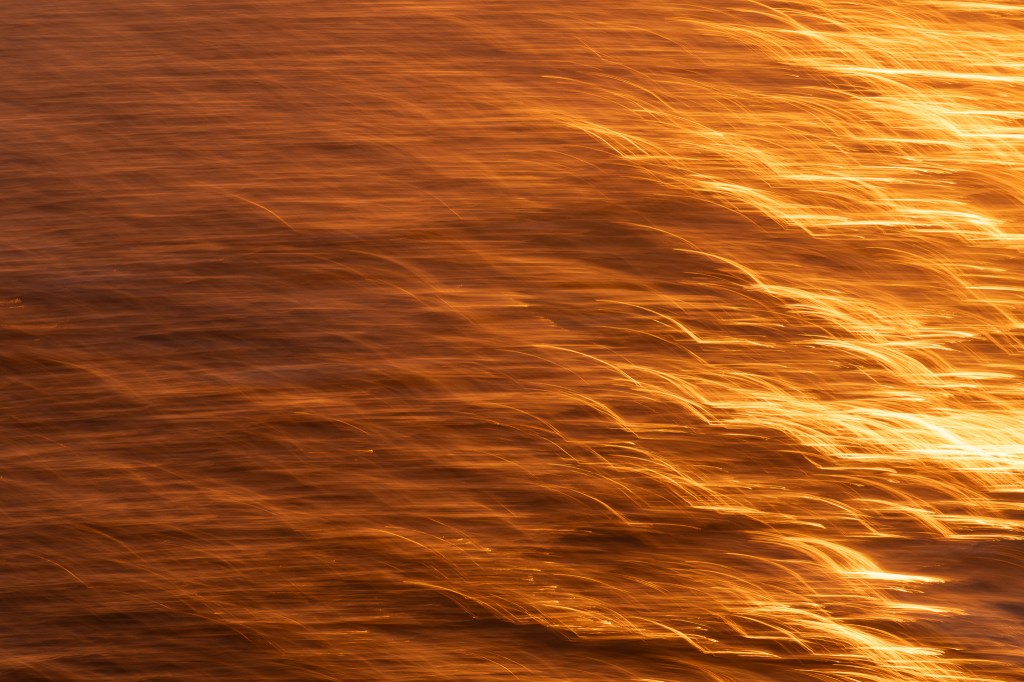
Taking these photos thus takes the form of a moving meditation to try to best render every detail that the sea has to offer at that moment, whether it is a reflection of light or a sinuous motion of its waves.
Having so much beauty in front of us reminds us that we are just drops in a great ocean and that we should take greater care of the natural environment of which we too are a part.
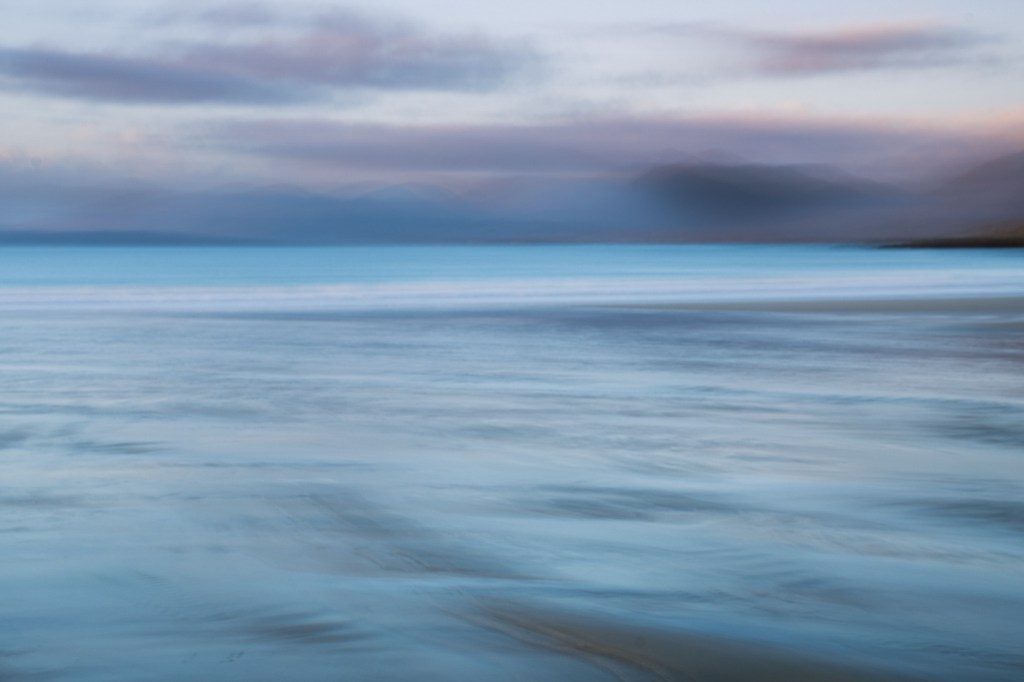
When you think of the sea, the first association that comes to mind is often one with crowded tourist resorts that now have very little natural left. However, there are places within the European continent, where this complicated and wonderful ecosystem can be a balm for the soul and mind.
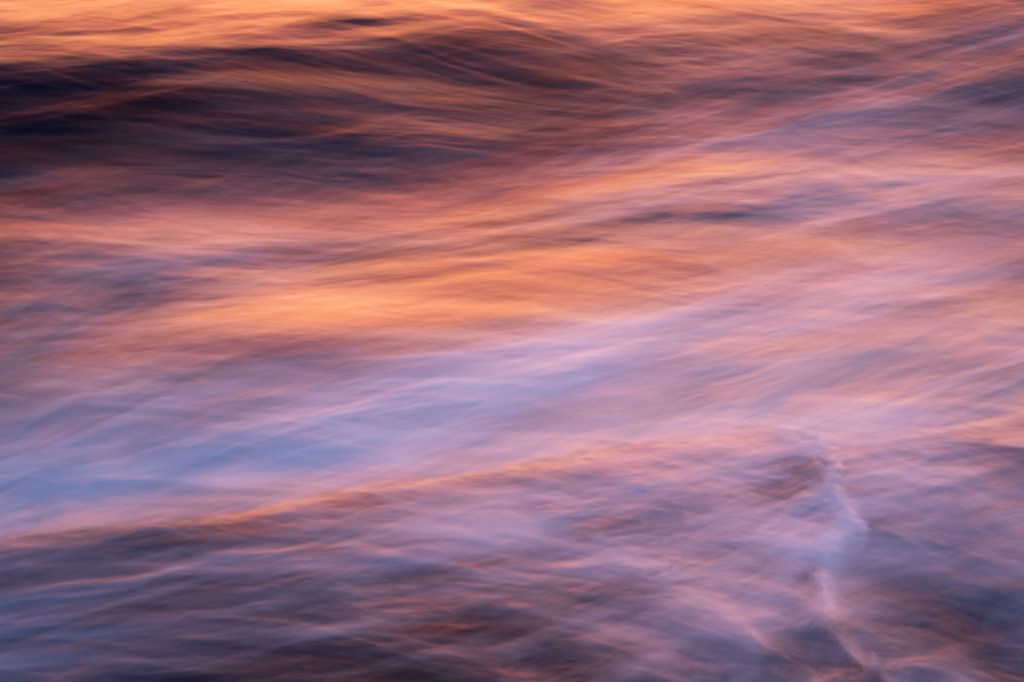
Although rich in mystery, I have always found the marine environment to be powerful yet uniquely delicate, lending themselves well to poetic and meditative photography.
Let your imagination run
The ICM technique allows you to be much more expressive and creative than when shooting a traditional landscape scene, a good exercise to start can be to try to create some abstract shots when you are on the field and the weather proves unsuitable for the classic landscape shot you had in mind. In this case, take the camera and try to take some shots anyway, but using the ICM, you might come home surprised by the result!


